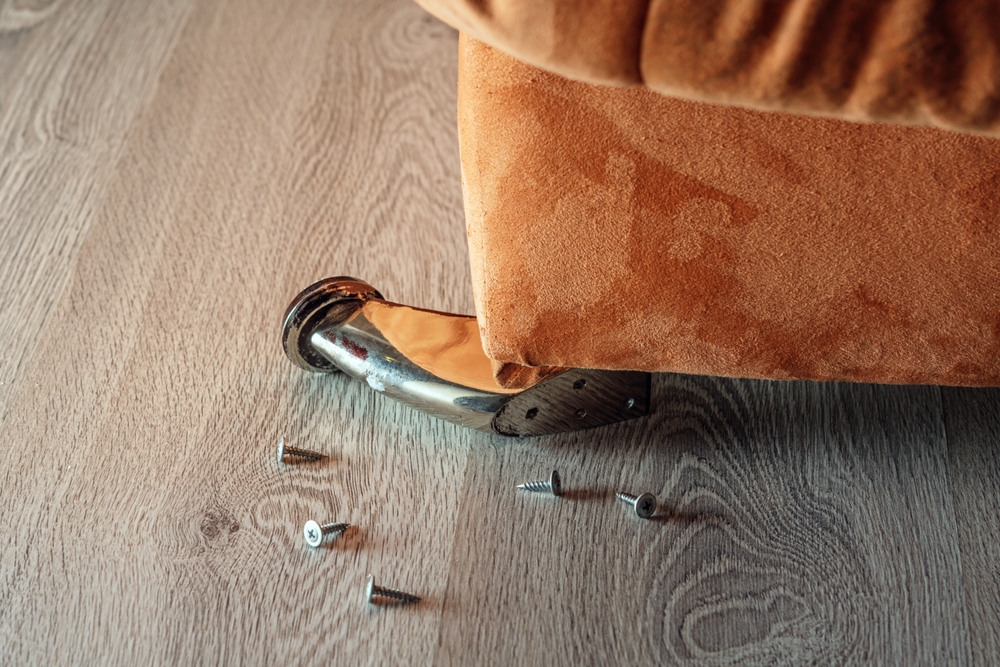
- Photograph damage before cleaners move, reset, or discard anything.
- Contact the guest calmly through Airbnb and keep the conversation documented.
- If the guest denies damage, rely on photos, records, receipts, and timelines.
- Treat discovery as the real deadline and document damage within hours.
- Pre-stay photos and maintenance records make future claims easier to support.
Your cleaner sends a photo of a hole in the closet door. Checkout is at 11 a.m., and your next guest arrives at 4 p.m. Do you call a repair person, message the guest who caused it, or start an Airbnb claim? And can you get the room ready in time?
Airbnb guest damage in Los Angeles can leave owners dealing with two urgent problems: documenting what happened for a reimbursement request and getting the property ready for the next stay. This is why SoCalBnB Property Management helps owners handle both, from recording the damage and arranging repairs to communicating with guests.

What should you do immediately after finding Airbnb guest damage?
The first move is to document the room exactly as it was found, before cleaners reset it, before any repair begins, and before anyone decides what the damage will cost to fix.
Document the room before anything gets moved
Whoever finds the damage, whether that’s a cleaner, an inspector, or the host, should photograph it before touching anything else. Wide shots first, showing where the item sits in the room and how the space looks overall. Close-ups second, capturing the specific damage clearly enough that someone who never saw the room could understand what happened. Timestamps matter here. So does asking the cleaner directly not to throw the item away or move it until the condition has been recorded, even if that means the item sits in a corner for an hour longer than planned. Good habits around Airbnb damage documentation in Los Angeles start with this first photo, not with the claim form.
A practical first-hour sequence looks like this:
- Ask whoever found the damage to stop and leave it in place.
- Take wide photos of the room, then close-ups of the specific damage.
- Note who found it and roughly when.
- Check whether cleaning or reset can safely continue around it.
- Decide whether a repair needs to start today or can wait.
Decide whether the property is still guest-ready
A cracked lamp base is different from a broken smoke detector or a door that no longer locks properly. Part of the immediate response is deciding whether the issue affects safety, cleanliness, or something explicitly promised in the listing. If the next reservation is arriving that afternoon, this decision usually has to happen before the reimbursement question even comes up, because a guest checking into a property with a genuine safety issue is a bigger problem than an unresolved damage claim.
Separate the claim from the urgent repair
Getting the item fixed and getting reimbursed for it don’t have to happen on the same clock, and waiting for one to finish before starting the other usually just costs a host time. Repairs and replacements can move forward as soon as the property needs them to, especially with another booking on the calendar, while the paperwork for where Airbnb’s host protection may apply gets built alongside it rather than in sequence. A 2016 white paper from the National Association of Insurance Commissioners is a useful reminder here too: standard homeowners coverage frequently leaves real gaps around home-sharing activity, so the repair shouldn’t be held hostage to how a platform request eventually turns out.

Should you contact the guest before filing a claim?
In most cases, yes. A calm, factual message to the guest before anything gets filed usually produces a faster and cleaner outcome than escalating straight to Airbnb.
Keep the first message factual
The message should describe what was found, not accuse anyone of anything. Something closer to “we found a crack in the dining table that wasn’t there before your stay, here are some photos” works better than an opening line built around blame. State what was found, ask if the guest has any context, and mention that reasonable repair or replacement costs may need to be covered. This first message is effectively an informal Airbnb damage report hosts can send before anything becomes official, and guests who feel accused tend to get defensive fast, which makes that informal step less likely to work.
Why platform messages matter
Sending this message through Airbnb rather than text or a personal number keeps a timestamped record in one place, which becomes useful if the situation doesn’t resolve informally. It also matches how Airbnb frames the relationship on its own end. Airbnb’s own rules for guest-caused damage state plainly that when damage goes beyond normal wear and tear, guests are expected to tell the host and work toward a reasonable solution, and to pay reasonable reimbursement requests when they’re responsible. A host who reaches out first is simply exercising the same expectation Airbnb already places on guests.
If the guest admits responsibility and offers to pay, that’s usually the fastest resolution available. If they ignore the message entirely, that silence itself becomes part of the record once a formal request gets filed.

What happens if the guest denies causing the damage?
A denial does not end the process. It just shifts the emphasis from conversation to evidence.
Evidence becomes more important than argument
Once a guest denies responsibility, going back and forth trying to convince them rarely accomplishes much. What actually moves things forward is assembling a clear record: pre-arrival inspection photos, post-checkout photos, cleaner notes, any messages exchanged during the stay, maintenance history, and, where it exists, a prior guest’s report of the item in good condition. The goal isn’t to prove the guest is lying. It’s to establish a timeline clear enough that Airbnb can see what changed and when.
Compare the condition before and after the stay
This is where pre-stay documentation earns its keep. A photo from the last turnover showing an intact chair, next to a photo from this checkout showing it broken, does more work than any written explanation. Without that “before” image, a host is stuck arguing intent instead of showing a fact.
Know when to stop debating the guest
At a certain point, continuing to argue with the guest stops being productive and starts eating into time that could go toward the actual claim. When an Airbnb guest denies damage outright, no amount of back-and-forth in the message thread is likely to change their mind, and trying usually just delays things.
Once enough evidence has been gathered and the guest has had a fair chance to respond, the better move is to stop negotiating and let the Airbnb damage evidence speak for itself: photos, receipts, and a clear timeline submitted through the Resolution Center, rather than another round of messages that isn’t going anywhere.
How quickly should you document and report damage?
The practical deadline is measured in hours, not the days Airbnb’s own filing window technically allows.
The practical deadline starts at discovery
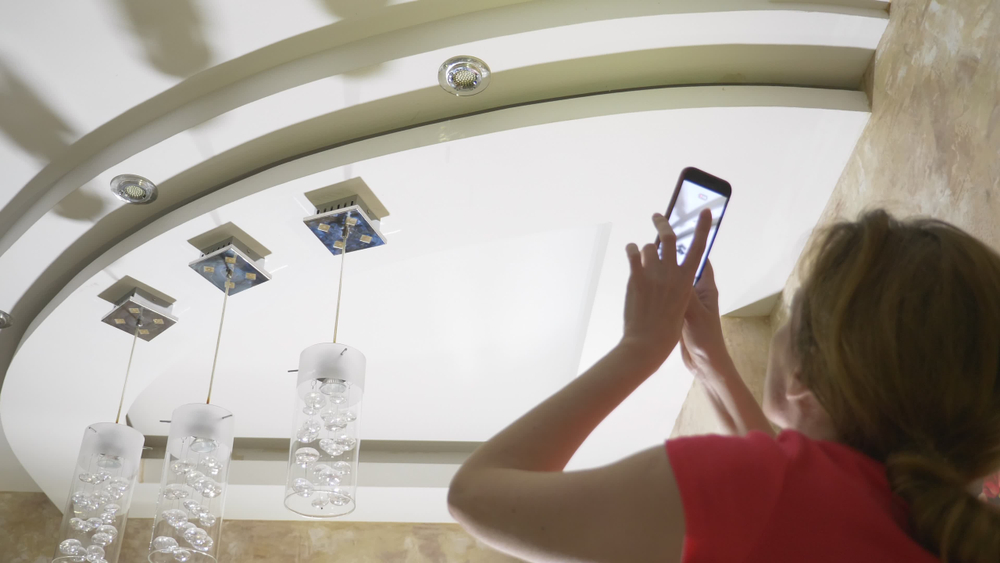
Airbnb’s filing window tells a host how long the platform will accept a request. It says nothing about how long the room itself stays untouched. A cleaner finishing a turnover, a maintenance visit, or simply airing the place out for the next guest can all quietly erase the details a claim depends on within a matter of hours, long before any official deadline comes close to expiring. Treating the moment of discovery as the real clock, rather than a date on a policy page, is what actually protects a Los Angeles host’s Airbnb Resolution Center damage request once it’s filed.
What to capture before the turnover continues
Beyond photos, this means noting who was in the unit between guests, whether any repair work started before documentation was complete, and getting a repair or replacement estimate as early as possible rather than waiting until the request is being filed. None of this needs to delay getting the property ready. It just needs to happen in parallel, because Airbnb damage before next guest situations rarely offer the luxury of a slow week to sort things out.
What counts as guest damage versus normal wear and tear?
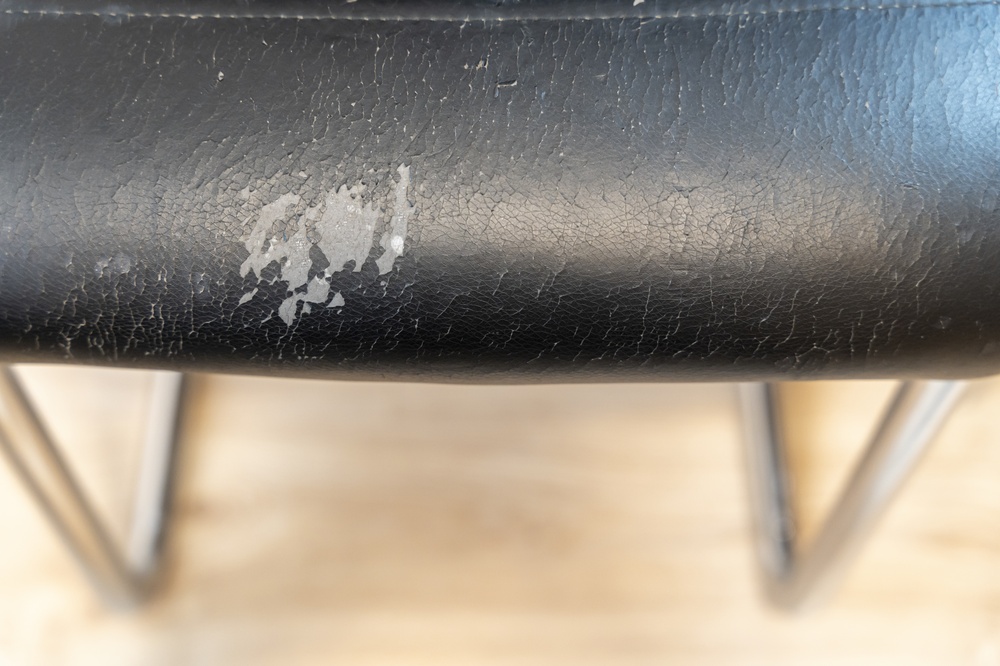
Guest damage is usually tied to a specific stay and a specific event, while wear and tear develops gradually across many stays and shows up regardless of who was there last.
Sudden damage versus gradual deterioration
A burn mark that wasn’t there before checkout is a specific event. A couch cushion that’s gradually flattened over two years of guests is not. The distinction matters because regular wear and tear is explicitly excluded from most Airbnb damage claims, and confusing the two is one of the more common reasons a request gets pushback. This is also where maintenance problems that can resemble guest damage become worth watching for. A cabinet hinge that was already loosening before a stay can look, at first glance, like something a guest broke, when it’s really a maintenance issue that happened to surface during that reservation.
Maintenance records can settle the question
Consistent maintenance logs make this distinction much easier to argue, because they show what condition an item was already in before the guest arrived. The table below illustrates how this plays out, though actual outcomes always depend on the specific facts and photos involved:
| Situation | Likely guest damage or wear? | What helps establish it |
| Broken chair leg after one stay | Possible guest damage | Pre-stay photos, cleaner report |
| Faded upholstery | Normal wear | Age and maintenance records |
| Burn mark on countertop | Possible guest damage | Checkout inspection photos |
| Loose cabinet hinge developing over months | Maintenance or wear | Repair history |
None of these outcomes are automatic. They depend on what documentation actually exists, which is exactly why a clean Airbnb property damage claim in Los Angeles usually starts long before the damage does.
How can hosts make future claims easier before the next guest ever arrives?
The easiest damage claim to win is the one built on documentation that already existed before the guest checked in.
Build condition documentation into turnovers
Photographing key rooms and higher-value items at every turnover, not just when something looks off, creates a running record that removes most of the guesswork later. This doesn’t need to be elaborate. A consistent set of angles, taken every time, is worth more than an occasional detailed inspection.
Keep purchase and maintenance records organized
Receipts, model numbers, and repair dates for higher-value furniture and appliances make replacement cost easier to justify and help separate a sudden failure from a slow one. A host who can produce a receipt and a repair history for a television is in a much stronger position than one relying on memory.
Make inspections part of normal operations
Regular inspections, not just reactive ones after a complaint, catch problems while they’re still small and while it’s still clear they predate the current guest. This kind of routine is really Airbnb host property protection in Los Angeles, handled proactively instead of reactively, and privacy-conscious ways to protect a rental fit naturally into it too, since exterior access technology can help confirm who was on the property without turning the inside of the home into something that feels monitored.
Fix small problems before causation becomes unclear
A loose railing or a wobbling table leg left unaddressed for months eventually becomes impossible to attribute to any one stay. Fixing it early, while it’s still obviously a maintenance item rather than damage, keeps future disputes from getting muddier than they need to be.
Who can help me handle Airbnb guest damage in Los Angeles?
Usually it’s SoCalBnB Property Management fielding all three calls within the same hour: the cleaner reporting what she found, the guest asking what happens now, the owner wanting to know if the property’s still bookable that afternoon. The job looks the same whether the address is near the Santa Monica Pier or well inland. For a host in Los Angeles, an Airbnb host damage claim might eventually put money back in the account, but it won’t rehang a closet door or explain anything to a guest checking in at four, and that part can’t wait on the claim.
We document what changed, keep the guest conversation calm and on the platform, and get a vendor moving on repairs while the reimbursement request is still pending. A property already photographed, assessed, and scheduled for repair is in a different position than one nobody touched until the claim came back.
If the damage just happened this morning, or you’d rather have this system running before it happens again, reach out and we’ll get it in place.
Share this entry


Latest Posts
October 9, 2026
When a Guest Damages Your Airbnb: What Happens Next?
Your cleaner sends a photo of a hole in the closet door. Checkout is at 11 a.m., and your next...
Learn MoreOctober 9, 2026
Airbnb AirCover Explained: What Hosts Are Actually Protected Against
A guest’s dog shreds a couch cushion, or a candle scorches a countertop, and the word that comes to mind...
Learn MoreSeptember 3, 2026
What Makes a Los Angeles Neighborhood Profitable for Airbnb?
When owners search for profitable Airbnb neighborhoods in Los Angeles, it is easy to focus on a few headline numbers:...
Learn MoreWe manage the details. You enjoy the perks.
Boost your rental income with our professional management. Enter your info in the form and let’s draft a plan for your success!