- AirCover includes guest-damage reimbursement and host liability protection.
- Normal wear, routine cleaning, and natural disasters are excluded.
- Host damage protection is reimbursement, not an insurance policy.
- Damage requests must be filed within 14 days of the guest’s checkout.
- Fast documentation and personal insurance help close AirCover coverage gaps.
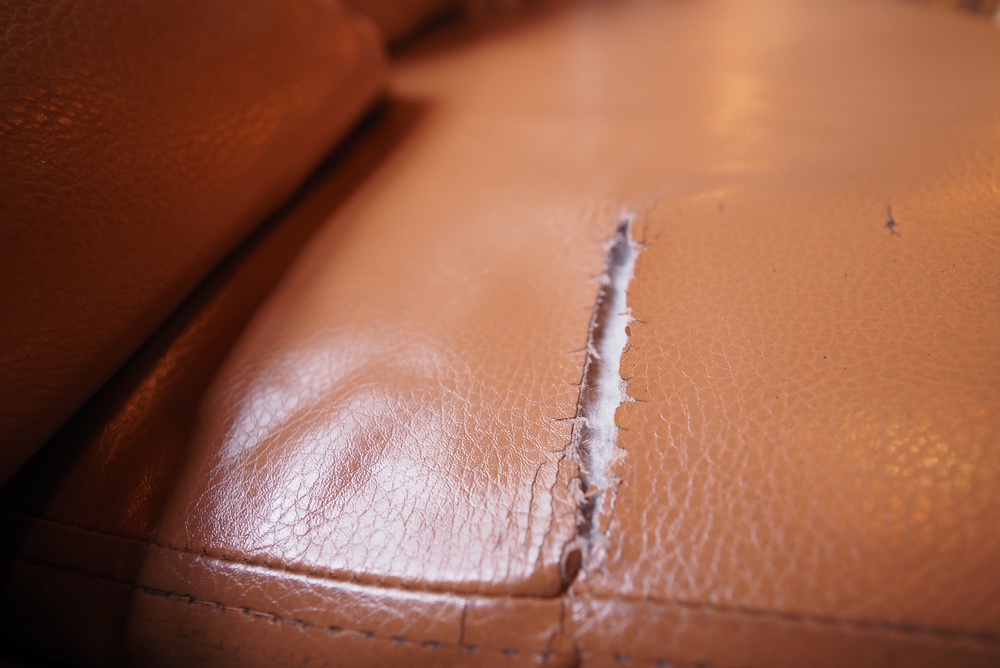
A guest’s dog shreds a couch cushion, or a candle scorches a countertop, and the word that comes to mind first is AirCover, the protection Airbnb built for situations like these. The catch is that “protected” doesn’t mean “covered for everything,” and that gap is exactly where hosts run into trouble, because Airbnb AirCover for hosts in Los Angeles isn’t one blanket policy but several distinct protections bundled together, each with its own rules, filing window, and exclusions.
It’s also the kind of question SoCalBnB Property Management fields regularly from short-term rental owners across the area, usually right after something has already gone wrong, so keep reading to learn what AirCover actually pays for, what it doesn’t, how claims work, and where it fits into a broader risk plan.
What does Airbnb AirCover cover for hosts?
AirCover for hosts provides two forms of protection that matter most day to day: reimbursement for guest-caused damage, and coverage for legal liability. Both are included automatically for every Airbnb-booked stay, at no extra cost and with no enrollment required.
Host damage protection
Airbnb host damage protection reimburses hosts when a guest, or someone they invited in, damages the home, its furnishings, or other belongings, and doesn’t pay for the repair themselves.
That protection extends further than a simple damage claim. It covers damage to a host’s parked car, boat, or other vehicle if a guest is responsible. It covers the specialized cleaning that comes with a genuinely bad turnover: pet accidents, smoke odor removal, stains left behind by a guest or their invitees. And it covers something owners rarely think about until it happens: income lost because a confirmed future booking had to be cancelled to deal with the damage.
That last item is worth sitting with for a second. A broken sofa isn’t just a repair bill. If the replacement can’t arrive before the next check-in, the host is also looking at a cancelled reservation, a refund, and possibly a dip in response metrics. And this is one of the few places that lost income itself can factor into what gets reimbursed.
Host liability insurance
If a guest is injured during their stay or their belongings are damaged, host liability insurance may help when the host is legally responsible. It can also cover co-hosts and cleaners working on the host’s behalf, as well as damage a guest causes to shared spaces, such as a building lobby, or to a neighboring unit.
This is the coverage that actually functions as Airbnb host liability insurance, underwritten by a third-party insurer, rather than a reimbursement program Airbnb runs itself.
An experienced manager treats these as two separate tools with two separate purposes, not one blanket safety net. Knowing which one applies to a given situation is the difference between filing the right request the first time and losing days going back and forth in the Resolution Center.
What does Airbnb AirCover not cover?
AirCover explicitly excludes normal wear and tear, loss of currency, and damage from acts of nature like earthquakes or hurricanes, and in Los Angeles, which sees both, that last exclusion deserves more attention than it usually gets. The damage-protection piece also stops at the property line in a specific way: it doesn’t cover injury or Airbnb property damage suffered by guests or others, because that falls under the liability piece instead.
The wear-and-tear line
A scuffed baseboard, a worn mattress, a cabinet hinge that finally gives out after two years of heavy turnover: none of that reads as guest-caused damage to Airbnb, even if it happened to fail during a particular guest’s stay.
This is exactly the distinction that makes routine upkeep worth taking seriously: catching maintenance problems before the next guest arrives does more to protect a listing’s reviews and revenue than any claim filed after the fact, because a claim only recovers money. It doesn’t undo a bad guest experience or an empty week while a repair gets scheduled.
Cleaning that doesn’t count as damage
The program doesn’t cover cleaning tied to normal checkout tasks (laundry, dishes, taking out the trash), only the extra cleaning a genuinely messy or damaging stay creates. The distinction sounds small until a host tries to file a request for a routine post-stay clean and finds there’s nothing to reimburse, because that cost was already priced into the cleaning fee, not into AirCover.
Where the geography and platform lines fall
None of this applies to stays booked through Airbnb Travel, LLC, or to hosting in Japan, where separate insurance programs apply instead. And structurally, none of it extends to bookings made outside Airbnb. A host running a listing across multiple platforms only has this protection for the reservations that actually came through Airbnb. Airbnb’s own list of what’s excluded is worth reading directly before assuming a specific scenario is covered.
Is AirCover the same as Airbnb insurance?
No. Airbnb is explicit about this: the damage-protection side is not an insurance policy or a financial service. It’s a reimbursement program that Airbnb administers itself, with Airbnb deciding what qualifies and how much gets paid. Airbnb host liability insurance is the piece that’s actually insurance, underwritten by a third-party insurer and handled through a separate claims process once a request is filed.
Two different claims paths
A reimbursement request goes through Airbnb’s Resolution Center, starts with the guest getting a chance to pay directly, and can be resolved automatically without a person reviewing it, though a host who disagrees with the outcome can ask for human review and submit more evidence. A liability claim, by contrast, goes to the third-party insurer’s intake process and gets assigned to a claims representative who resolves it under the terms of an actual policy.
Neither one is a substitute for a host’s personal insurance, and Airbnb says as much directly. AirCover doesn’t replace a homeowners or landlord policy, doesn’t satisfy any auto insurance requirement a host might have, and won’t necessarily overlap with an existing policy the way a host might assume. Calling all of this “Airbnb insurance,” as a lot of hosting advice casually does, blurs a distinction that actually matters once something goes wrong.
How long do hosts have to file an AirCover claim?
Hosts have 14 days from the responsible guest’s checkout to file an Airbnb host damage protection request in the Resolution Center, and the clock doesn’t pause for anything: not a slow cleaner, not a busy week, not waiting to see if the guest offers to pay on their own.
The filing sequence
- Document the damage: photos, video, and a repair or cleaning estimate, before anything gets moved or cleaned up.
- File the reimbursement request in the Resolution Center within 14 days of checkout.
- The guest gets 24 hours to respond: pay directly, decline, or say nothing.
- If the guest doesn’t pay in full, the request converts into a claim Airbnb reviews, sometimes through an expedited process with no human reviewer involved.
- If the outcome doesn’t seem right, a host can request human review and submit additional evidence.
That sequence means the practical filing window is shorter than 14 days once a host wants to give the guest a chance to make it right first. That’s one more reason documentation has to start immediately, not once the claim process is already underway.
Why day twelve is already too late
An experienced manager in LA doesn’t wait until day twelve to start building a case. The moment a turnover reveals damage, the property gets photographed, and video-recorded where useful, before cleaners touch anything, move furniture, or discard damaged items. Repair or replacement estimates get requested the same day, not after the claim is filed.
“What happens after a guest damages the property” (who documents it, what gets moved and when, how the next reservation gets handled) is really a workflow question, and treating the 14-day window as the trigger to start that workflow, rather than the deadline to finish it, is usually what separates a claim that gets approved from one that gets denied for insufficient evidence.
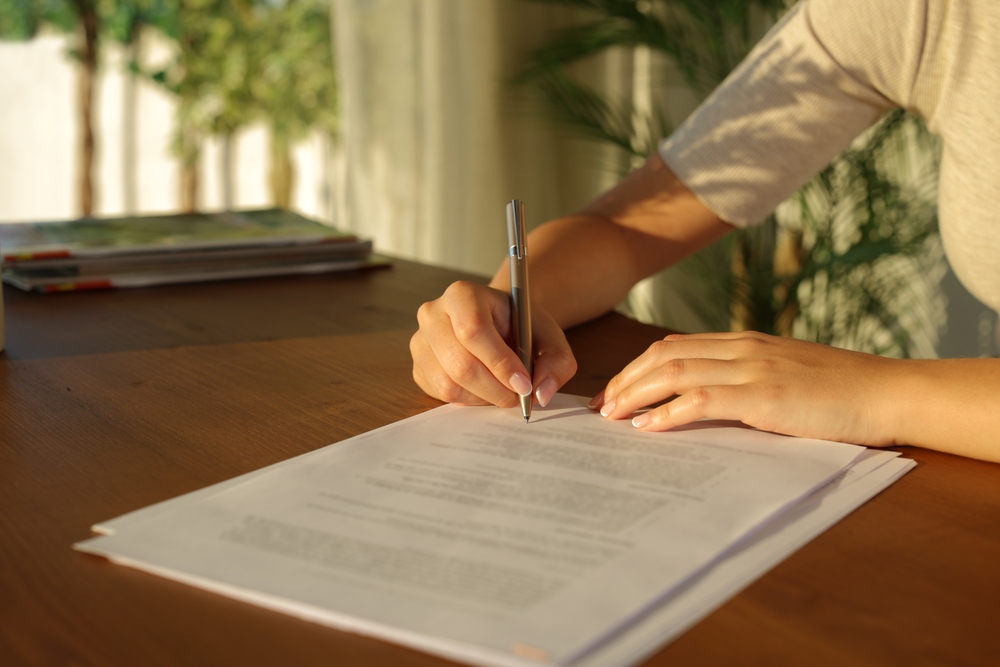
Why would an AirCover claim be denied?
Claims usually get denied for one of a few predictable reasons, and Airbnb’s review process, including the expedited, no-human-review path some requests take, doesn’t leave much room for gaps in any of them.
Missing the 14-day filing window
This is the simplest way to lose an otherwise valid claim. The clock starts at the responsible guest’s checkout and doesn’t pause for anything: not a slow cleaner, not a full calendar, not waiting to see whether the guest offers to make things right on their own.
A host who waits to decide whether a repair estimate “feels worth the hassle” of filing often finds, by the time they’ve decided it is, that the window has already closed, and Airbnb denies the claim for something that could have been resolved days earlier.
Damage that falls under an exclusion
Normal wear and tear causes the most friction here, and it cuts both ways. An Airbnb host who tries to secure damage reimbursement for a mattress that was already sagging before the guest arrived is likely to get denied. But a host in Los Angeles who can show, through maintenance records, that the item was in good condition immediately before the stay has a genuinely stronger claim.
That’s one of the less noticeable reasons routine inspections matter: they create the “before” picture a claim needs in order to prove what actually changed. Without that baseline, Airbnb has no way to distinguish a guest-caused problem from something that was already failing.
Documentation that’s too thin to prove the damage
If cleaners have already reset the room, thrown away a broken item, or rearranged furniture before photos are taken, there’s often nothing left to substantiate the request beyond a host’s word against a guest’s. A repair estimate helps, but photos and video taken before anything gets touched are what actually establish that the damage happened, and that it happened during that specific stay.
The guest already paid for it directly
This isn’t really a coverage failure. It just means the situation resolved before AirCover needed to get involved. When a guest pays for the damage during their 24-hour response window, there’s no unpaid cost left to reimburse. Airbnb logs this as the request being resolved rather than a claim being approved, which is worth knowing so it doesn’t get mistaken for a denial over something else.
A less obvious cause sits outside this list entirely: a mismatch between what happened and which program applies. A host who files a damage request for a guest injury, or a liability claim for a broken lamp, is filing under the wrong program altogether, and that alone can stall or sink a request that might otherwise have been valid.

How does AirCover fit into a broader Airbnb risk-management plan?
Airbnb AirCover for hosts is a meaningful piece of protection, but it was never designed to be a property’s only line of defense: it’s free, automatic, and useful precisely because it’s limited in scope. Treating it as a complete strategy is one of the more expensive assumptions a host can make.
Where AirCover stops and personal insurance has to start
The biggest gap sits underneath it entirely: most hosts’ own homeowners insurance. A March 2026 Outlook from the Insurance Information Institute found that standard homeowners policies typically exclude commercial activity, and short-term rental hosting qualifies as commercial use in the eyes of most insurers.
Hosts who haven’t updated their policy or added a short-term rental endorsement can face denied claims, reduced liability coverage, or even cancellation once an insurer learns a property has been generating booking income. AirCover doesn’t fill that gap. It operates alongside a host’s personal coverage, not in place of it.
Building the layers that reduce how often it gets used
A workable plan layers several things together: a short-term rental insurance policy or endorsement that actually accounts for guest turnover, consistent post-checkout documentation, and preventive habits that reduce reliance on any single program.
Keeping up with routine inspections between guests (checking for a loose stair railing, a slow leak, an appliance on its last stretch) catches problems before they turn into a guest complaint, a safety incident, or a maintenance-related denial.
Property protection for Airbnb plays a role too: security technology that respects guest privacy, like exterior smart locks or noise sensors rather than interior cameras, can reduce certain risks without creating the kind of guest experience that generates its own complaints.
None of these pieces replace each other, and none of them replace AirCover. They reduce how much a host ends up depending on any single layer working perfectly when something goes wrong.
Who helps Los Angeles hosts manage AirCover claims and property protection?
SoCalBnB Property Management handles this daily for Airbnb hosts across the Los Angeles area, from a property near the Griffith Observatory to homes tucked well outside the tourist map. AirCover exists for the moment after something breaks. Our version of Airbnb risk management is about making that moment happen less often, and making it less painful when it doesn’t, through post-checkout inspections that catch damage while it’s still fresh, same-day documentation, and maintenance that gets handled before a small issue turns into a guest complaint or a denied claim.
By the time a request actually needs to go through Airbnb, the evidence isn’t something we’re scrambling to reconstruct. It’s already sitting in the file, dated and ready, from the inspection that happened right after the last guest left. If your properties don’t have that kind of paper trail yet, reach out, and we’ll get one started.
Share this entry


Latest Posts
October 9, 2026
When a Guest Damages Your Airbnb: What Happens Next?
Your cleaner sends a photo of a hole in the closet door. Checkout is at 11 a.m., and your next...
Learn MoreOctober 9, 2026
Airbnb AirCover Explained: What Hosts Are Actually Protected Against
A guest’s dog shreds a couch cushion, or a candle scorches a countertop, and the word that comes to mind...
Learn MoreSeptember 3, 2026
What Makes a Los Angeles Neighborhood Profitable for Airbnb?
When owners search for profitable Airbnb neighborhoods in Los Angeles, it is easy to focus on a few headline numbers:...
Learn MoreWe manage the details. You enjoy the perks.
Boost your rental income with our professional management. Enter your info in the form and let’s draft a plan for your success!